
Notable University Projects
Interactive Educational Projects: Hitmachine (Master's Thesis) & Stave Zoo (Bachelor's Project) - Empowering Learning Through Music & Spelling
Hitmacine (Master's Thesis)
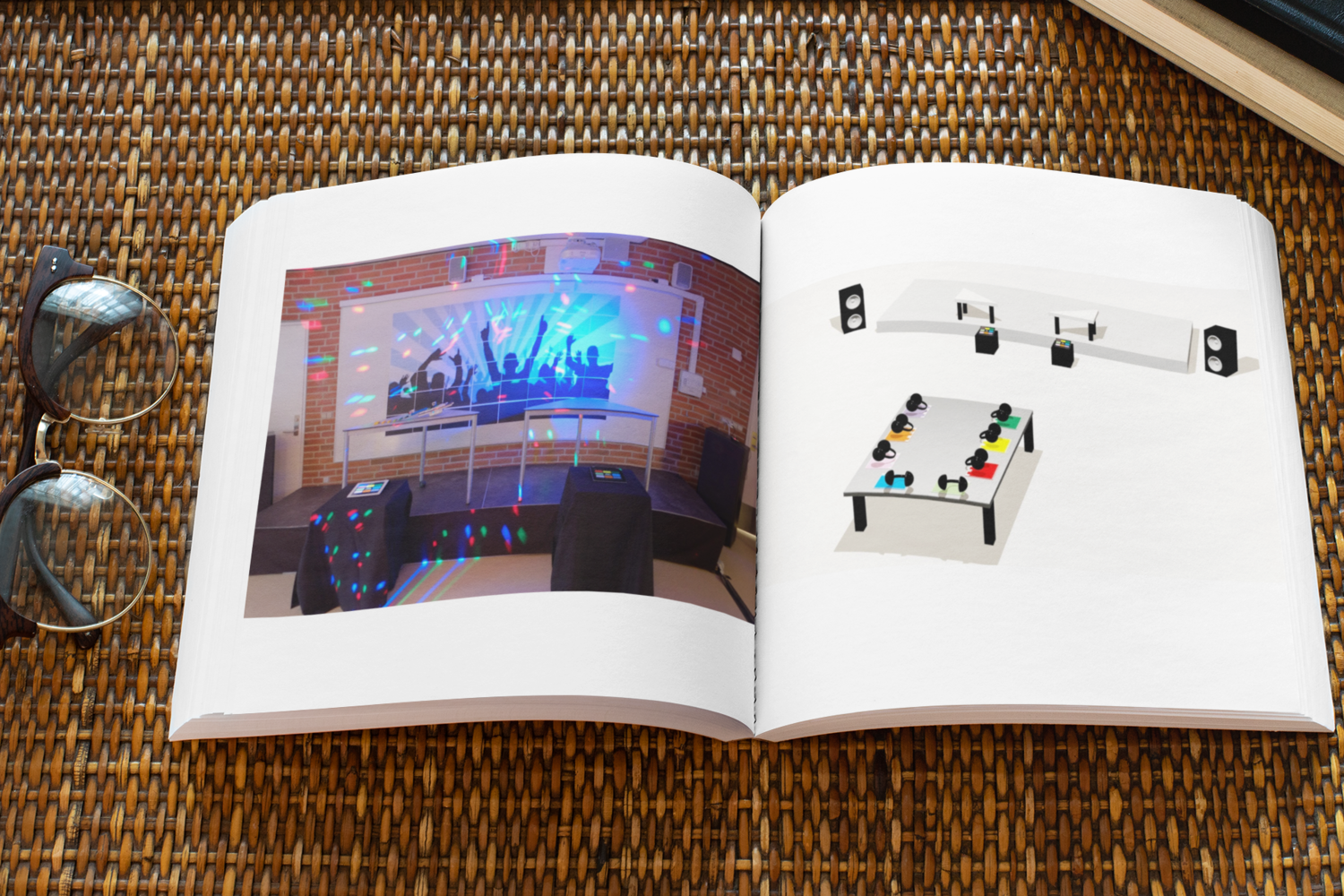
Have you ever experienced the joy of playing music that actually sounds good? For those who aren't trained musicians, this can be a difficult feat to achieve. Mastering rhythms and scales takes time and practice. Hitmachine, my Master's Project developed in collaboration with Lego and my fellow student Jeppe Stougaard, addresses this challenge. We created a musical framework with an algorithm that ensures everything played always sounds good, in both tone and rhythm, producing a genuinely musical experience. Enhanced by professional virtual instruments and sound samples, Hitmachine delivers an immersive musical experience for non-musicians.
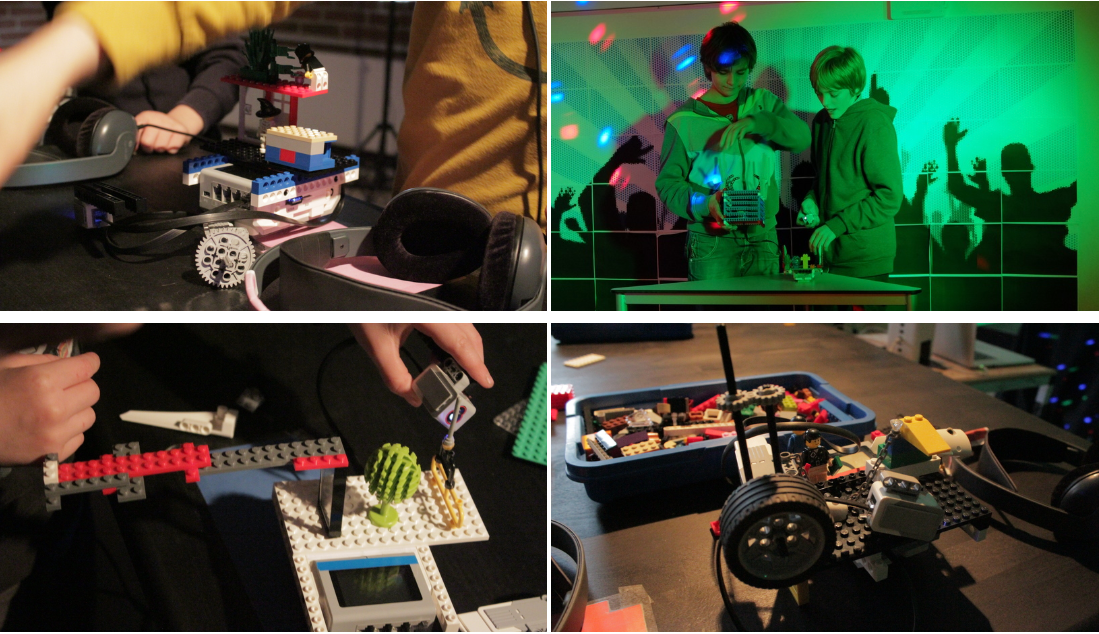
Paired with Lego Mindstorm, children can build their own Lego instruments and connect up to four Mindstorm sensors. Once the instrument is complete, they can play along with friends on stage. During a week-long test run, 200 children aged 5-13 tried the Hitmachine prototype, which proved to be a huge success. The project was subsequently presented to top Lego designers with a proposal for permanent installation in the new Lego House. I received an A+ for my Master's Thesis.
.png)
Stave Zoo - Bachelors Project
Spelling Zoo is an interactive educational game designed for children, developed in collaboration with my fellow student, Søren Pedersen. Incorporating camera-tracking technology and built using rapid-prototyping methodologies. The game's main objective is to help children learn how to spell words in a fun and engaging way, transforming the process into an exciting experience rather than a mundane task.
Set in a visually appealing zoo environment, the game features various animals and objects that children can interact with. By utilizing camera-tracking, Spelling Zoo is able to detect the movement of physical cages, placed on an interactive table. As the child spells words by catching animals with the cages, the game provides instant feedback and encouragement, fostering an enjoyable learning atmosphere.
The development process of Spelling Zoo was driven by rapid-prototyping techniques, ensuring a fast and iterative approach to refining the game's mechanics, visuals, and overall user experience. This allowed for continuous improvement and fine-tuning based on user feedback and testing, ultimately resulting in a polished prototype for my Bachelors Thesis. I received an A for my Bachelor's Thesis.